
Five-Stage Map of the Greatest Novels in World Literature
If ranked specifically by Five-Stage Psychological Depth
| Rank | Novel | Dominant Stage Themes |
|---|---|---|
| 1 | Brothers Karamazov | Stage 3–5 moral struggle |
| 2 | War and Peace | Stage 4–5 historical integration |
| 3 | Crime and Punishment | Stage 2 → 3 transformation; shame-identified narcissistic collapse |
| 4 | Anna Karenina | Stage 3 guilt and reparation; guilt and social identity conflict |
| 5 | Moby-Dick | Stage 2 obsession vs Stage 5 awareness; Stage-2 monomaniacal rage |
| 6 | One Hundred Years of Solitude | Stage 5 civilizational trauma cycles |
| 7 | Don Quixote | Stage 2 illusion vs reality (ego development) |
| 8 | Odyssey | Stage 5 identity formation |
| 9 | Iliad | Stage 2 rage psychology |
| 10 | Wuthering Heights | Stage 1 trauma-bonding dynamics; fear-identified attachment trauma |
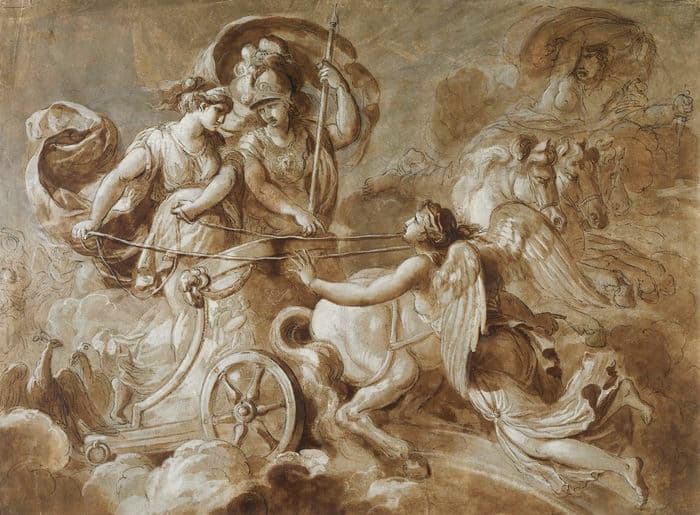
Stage 1 — Fear–Dependency
(survival, fate, divine authority, helplessness)


Typical narrative situation
- The protagonist begins in vulnerability
- Powerlessness or abandonment
- A dangerous or unjust world
Psychological meaning
The character is still in a dependency relationship with authority or fate.
Representative works
• The Iliad – Homer
• Beowulf – Anonymous
• The Epic of Gilgamesh
- Oliver Twist – orphan survival
- Jane Eyre – abused child
- David Copperfield – childhood oppression
Psychological structure
- Fate dominates human agency
- Honor and survival determine action
- Authority (gods, kings) overrides personal morality
Civilizational meaning
These narratives emerge from societies where fear and dependency structure social order.
Stage 2 — Anger–Detachment; Defensive Autonomy
(rebellion, autonomy, identity struggle)


RepresentTypical narrative situation
- The protagonist rebels against injustice
- Anger fuels independence
Examples
- Heathcliff – Wuthering Heights
- Jane Eyre leaving Rochester
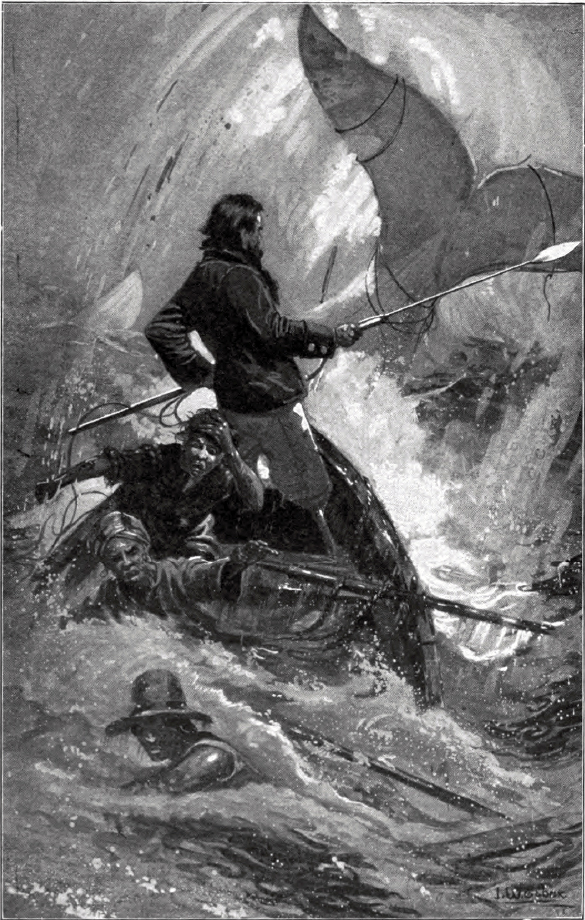
- Captain Ahab confronting the whale
• Moby-Dick – Herman Melville
• Don Quixote – Cervantes
• Wuthering Heights – Emily Brontë
Psychological meaning
Identity forms through defiance and separation.ative works
Psychological structure
- Rage against fate or society
- Defiant individualism
- Identity formation through conflict
Civilizational meaning
The emergence of the autonomous ego challenging authority.
Example
Captain Ahab = pure Stage-2 monomaniacal will.
Stage 3 — Guilt–Reparation; Moral Awakening
(moral awakening, conscience, responsibility)


Representative works
Examples
- Raskolnikov – Crime and Punishment
- Jean Valjean – Les Misérables
- Hamlet
• Crime and Punishment – Dostoevsky
• The Brothers Karamazov – Dostoevsky
• Anna Karenina – Tolstoy
Typical narrative situation
- The protagonist confronts moral responsibility
- Internal conflict replaces external rebellion
Psychological meaning
The birth of conscience and reparation.
Psychological structure
- Moral guilt emerges
- Conscience replaces pure ego
- Characters seek redemption or repair
Civilizational meaning
This stage marks the birth of ethical self-reflection.
Raskolnikov’s journey
Stage 2 → Stage 3 transformation.
Stage 4 — Freedom–Independence
(self-direction, social responsibility, existential freedom)


Representative works
• War and Peace – Tolstoy
• The Adventures of Huckleberry Finn – Mark Twain
• The Great Gatsby – F. Scott Fitzgerald
Typical narrative situation
- Characters must choose values independently
- Society offers no clear moral guidance
Psychological structure
- Individuals confront society
- Freedom requires responsibility
- Identity becomes self-chosen
Psychological meaning
The emergence of independent identity.Civilizational meaning
The emergence of modern individual freedom.
Stage 5 — Empathy–Integration
(human unity, compassion, civilizational reflection)


Representative works
• One Hundred Years of Solitude – Gabriel García Márquez
• The Odyssey – Homer
• The Brothers Karamazov (Alyosha’s perspective)
Prospero – The Tempest
Odysseus returning home
Beloved – Morrison
Typical narrative situation
- Forgiveness replaces revenge
- Understanding replaces judgment
Psychological structure
- Compassion for human weakness
- Historical consciousness
- Integration of suffering and love
Psychological meaning
Integration of suffering into empathy and wisdom.
Civilizational meaning
Literature begins to explore humanity as a shared moral project.
Comparison With Joseph Campbell’s Hero’s Journey
| Campbell | Your Five-Stage Model |
|---|---|
| Call to adventure | Stage 1 crisis |
| Crossing the threshold | Stage 2 rebellion |
| Trials and transformation | Stage 3 moral awakening |
| Return with power | Stage 4 independence |
| Mastery / wisdom | Stage 5 integration |
The five-stage model explains the emotional development inside the hero, not just the external adventure.